
Innovative Web Design in 3D Rendering Services

In today’s fast-paced digital landscape, the need for websites that captivate and engage has never been greater. One innovation revolutionizing the digital design industry is Web Design in 3D Rendering Services. Combining cutting-edge technology with creative artistry, this approach creates visually stunning, interactive, and immersive websites. Whether you’re a business, artist, or developer, understanding this fusion can help elevate your web presence to new heights. What is 3D Rendering in Web Design? 3D rendering involves creating three-dimensional images or scenes on a two-dimensional screen. This process combines textures, lighting, and detailed modeling to produce lifelike visuals. Incorporating these elements into web design transforms static pages into dynamic environments, offering users an interactive experience like never before. Why Use Web Design in 3D Rendering Services? Enhanced User Engagement: 3D visuals provide an immersive experience, encouraging users to spend more time exploring your website. Improved Aesthetic Appeal: Websites with 3D rendering are visually unique, helping businesses stand out in a competitive market. Seamless Storytelling: 3D elements make it easier to present complex ideas, products, or concepts engagingly and comprehensively. Boosted Conversions: A more engaging website translates into higher user satisfaction, which can lead to improved conversion rates. Applications of 3D Rendering in Web Design 1. Product Showcasing E-commerce websites benefit greatly from 3D-rendered product displays. Shoppers can rotate, zoom, and interact with virtual products for a closer look. 2. Architectural Visualizations Architects and real estate developers can showcase properties through interactive walkthroughs, providing potential clients with an immersive experience. 3. Portfolio Websites Designers, artists, and photographers use 3D elements to highlight their creativity, making their portfolios visually captivating. 4. Educational Platforms Schools and e-learning websites utilize 3D rendering to create interactive lessons, virtual labs, and engaging simulations. How Does Web Design in 3D Rendering Services Work? Conceptualization: The first step involves understanding the website’s purpose and determining where 3D elements can be incorporated effectively. 3D Modeling: Designers create three-dimensional models using specialized software, ensuring each detail aligns with the project’s goals. Rendering and Optimization: Rendered models are optimized to ensure they load quickly without compromising quality, enhancing user experience. Integration into Web Design: The final rendered visuals are seamlessly embedded into the website, ensuring compatibility with all devices and browsers. Tools and Software for 3D Rendering in Web Design Blender: A free, open-source software offering robust 3D modeling and rendering capabilities. Autodesk Maya: Widely used in the industry for its advanced rendering and animation tools. Three.js: A JavaScript library designed for rendering 3D graphics directly in web browsers. Cinema 4D: Perfect for creating visually rich 3D animations and designs tailored for web use. Benefits of Hiring Professionals for Web Design in 3D Rendering Services While incorporating 3D rendering into web design is exciting, it can also be challenging without the right expertise. Hiring professionals ensures: Quality Assurance: Specialists deliver polished, error-free designs that resonate with your target audience. Time Efficiency: Professionals streamline the design process, meeting tight deadlines without compromising quality. Tailored Solutions: Experts align 3D visuals with your brand identity, ensuring consistency and impact. Common Challenges in Web Design with 3D Rendering Performance Optimization: High-quality 3D visuals can slow down websites if not optimized properly. Browser Compatibility: Not all browsers handle 3D graphics effectively. Ensuring compatibility is crucial for a seamless user experience. High Development Costs: Integrating 3D elements can be expensive, requiring skilled designers and advanced tools. Steep Learning Curve: Understanding the intricacies of 3D rendering and web integration demands significant expertise and time. Trends Shaping Web Design in 3D Rendering Services 1. Interactive Virtual Reality (VR) Websites are increasingly incorporating VR-compatible elements, taking user interaction to the next level. 2. Augmented Reality (AR) Integration AR features allow users to interact with 3D models in their real-world environments, enhancing the shopping experience. 3. Micro-Interactions with 3D Subtle animations and 3D effects, like hover states or loading animations, make websites more engaging. 4. AI-Powered 3D Customization Artificial Intelligence is being used to tailor 3D experiences to individual users based on their preferences and behavior. Optimizing Web Design in 3D Rendering Services for SEO To ensure your 3D-enhanced website ranks high in search engines: Optimize File Sizes: Compress 3D assets to improve page loading speeds. Responsive Design: Ensure 3D elements adapt seamlessly across devices and screen sizes. Meta Tags and Descriptions: Include relevant keywords like Web Design in 3D Rendering Services to enhance visibility. Alt Text for 3D Graphics: Use descriptive text for all 3D images and elements to boost accessibility and SEO performance. Future of Web Design in 3D Rendering Services The future of 3D rendering in web design promises exciting possibilities. As technology advances, we can expect: Real-Time Rendering: Faster and more efficient rendering techniques will allow for real-time interaction without latency. Deeper Integration with AI: Enhanced predictive modeling and automated design processes. Broader Accessibility: Simplified tools will make 3D rendering accessible even to non-technical users. FAQs on Web Design in 3D Rendering Services 1. What industries benefit the most from 3D-rendered web design? E-commerce, architecture, education, and creative portfolios benefit greatly from incorporating 3D rendering. 2. How much does it cost to develop a 3D-rendered website? Costs vary depending on the complexity of the design, ranging from $5,000 to $50,000 or more. 3. Can 3D rendering slow down my website? If not optimized properly, 3D elements can affect performance. However, professionals ensure seamless functionality. 4. Is 3D rendering compatible with all browsers? Most modern browsers support 3D rendering, but testing for compatibility is essential. 5. Do I need special hardware for a 3D-rendered website? No, but websites with heavy 3D elements may perform better on devices with higher processing power. 6. How can I make my 3D-rendered website accessible? Use alt text, optimize navigation, and ensure compatibility with screen readers for an inclusive design. Conclusion Incorporating Web Design in 3D Rendering Services into your digital strategy unlocks new creative possibilities, elevating user engagement and brand impact. By leveraging this powerful combination, businesses can stay ahead in the competitive digital landscape. Whether you’re starting from scratch or enhancing an
Web Design for Roof Installation: Building an Online Presence That Works
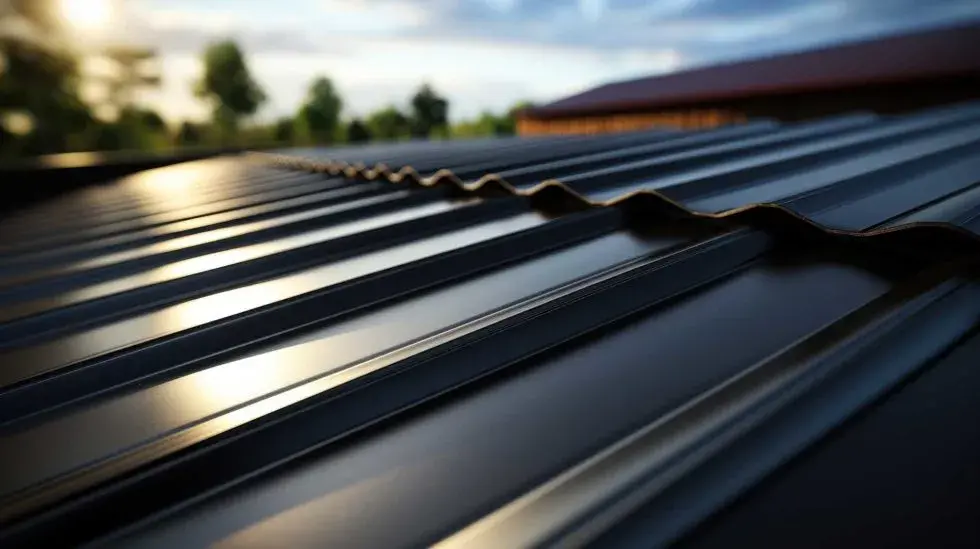
Web design is an essential tool for businesses in all industries, including roofing. A well-designed website not only attracts potential customers but also establishes trust and credibility. For roofing companies, this means showcasing services effectively and ensuring a seamless user experience. In this article, we’ll explore how to master Web Design for Roof Installation and create an impactful digital presence. 1. Why a Strong Website Matters for Roofing Businesses The roofing industry is highly competitive, and customers often rely on online research to find reliable contractors. A strong website offers: A professional first impression. A platform to showcase services and testimonials. Improved visibility in search engines, driving more leads. Investing in Web Design for Roof Installation allows your business to stand out and capture the attention of homeowners searching for reliable services. 2. Key Features of a Successful Roofing Website To convert visitors into clients, your roofing website must include these features: a. Mobile Responsiveness Most users access websites via mobile devices. Ensure your site adapts seamlessly to different screen sizes. b. Clear Call-to-Actions (CTAs) Use CTAs like “Request a Quote” or “Schedule an Inspection” to guide visitors toward taking action. c. High-Quality Visuals Showcase your completed projects with professional images. This builds trust and demonstrates your expertise. d. Simple Navigation Organize your menu clearly so users can easily find information about your services, reviews, and contact details. 3. Designing for Roofing-Specific Needs Roof installation websites need tailored designs to address industry-specific challenges: Service Showcase: Include a dedicated page for different services like installation, repairs, and maintenance. Before-and-After Galleries: Visual comparisons resonate with homeowners. Trust Signals: Add certifications, awards, and partner logos prominently on the homepage. By tailoring your website to these specifics, you’ll leverage Web Design for Roof Installation to build credibility and connect with your audience. 4. SEO Strategies for Roofing Websites Search engine optimization (SEO) is vital for roofing businesses to appear at the top of local search results. Incorporate these tips: Local Keywords: Use terms like “roofing contractor in [City]” and your focus keyword, Web Design for Roof Installation, throughout the site. Meta Tags: Optimize titles, descriptions, and headers with targeted keywords. Fast Loading Times: Improve page speed for a better user experience and higher rankings. 5. Creating Engaging Content Content is king when it comes to keeping visitors on your site. For roofing businesses, content ideas include: Blogs on roof maintenance tips. FAQs about the installation process. Explainers on the benefits of different roofing materials. Regularly updating your blog not only engages visitors but also improves your SEO rankings, ensuring your Web Design for Roof Installation stays competitive. 6. Incorporating Testimonials and Reviews Homeowners look for trustworthy contractors. Include client reviews prominently: Display video testimonials or written reviews on the homepage. Add a “Testimonials” page to centralize feedback. Link to external review platforms like Google and Yelp. 7. Effective Use of Contact Forms Simplify communication by designing easy-to-use contact forms: Include essential fields like name, email, phone number, and project details. Use auto-responses to confirm submission and provide next steps. These forms are critical elements of Web Design for Roof Installation as they encourage leads to reach out without hesitation. 8. Using Analytics to Improve Performance Track your website’s performance with tools like Google Analytics. Key metrics to monitor: Bounce rate: How many visitors leave without exploring further. Conversion rate: How many visitors take desired actions. Session duration: How long users spend on your site. Analyzing these metrics helps you fine-tune your Web Design for Roof Installation strategy and improve user experience. 9. Leveraging Social Proof Social proof builds trust and encourages potential clients to choose your services: Highlight the number of successful installations. Use case studies to share detailed project insights. Showcase community involvement or charitable projects. 10. Prioritizing Local SEO Roofing businesses rely heavily on local clients. Enhance your local SEO by: Adding your business to Google My Business. Including your address and service area on the website. Using location-specific landing pages. A well-optimized local SEO plan strengthens your Web Design for Roof Installation, ensuring you rank high in nearby searches. 11. Choosing the Right Hosting Platform A reliable hosting platform is essential for your website’s success. Look for: Uptime Guarantee: Ensure minimal downtime. Customer Support: Reliable support is critical for resolving technical issues. Scalability: Choose a host that can handle growing traffic. 12. Keeping the Design Simple and Clean An overly complex design can overwhelm visitors. Focus on simplicity: Use a consistent color scheme. Avoid cluttering the pages with excessive information. Maintain plenty of white space for readability. 13. Integrating Chat Features Adding a live chat feature can improve customer engagement. Benefits include: Instant support for visitor inquiries. Higher lead conversion rates. Improved customer satisfaction. 14. The Role of Video Content Videos are a powerful tool for engaging visitors. Ideas include: Drone footage of completed projects. Tutorials on roof maintenance. Introductory videos about your company. These elements can elevate your Web Design for Roof Installation and make your site more dynamic. 15. Regular Website Maintenance Maintaining your website is as important as designing it. Regular tasks include: Updating plugins and software. Checking for broken links. Ensuring contact forms and CTAs work correctly. Regular updates improve your site’s functionality and keep it optimized for SEO. FAQs 1. Why is web design important for roof installation companies? Web design creates a professional online presence, helping roofing businesses attract and convert potential clients effectively. 2. What should be included on a roofing website? Key elements include service descriptions, high-quality visuals, client testimonials, and a clear call-to-action. 3. How can local SEO benefit a roofing business? Local SEO ensures your business appears in local searches, making it easier for nearby homeowners to find and contact you. 4. How often should I update my roofing website? Regular updates are essential. Check your site monthly for broken links, outdated content, and plugin updates. 5. Are testimonials necessary for roofing websites? Yes, testimonials build trust and credibility, encouraging potential clients to choose your services. 6. How do I
Web Design in Architecture: The Ultimate Guide to Elevating Your Online Presence

In today’s digital-first world, a strong online presence is vital for every business, including architectural firms. Web design in architecture has evolved from being a mere aesthetic choice to a strategic tool that can help firms showcase their portfolio, attract clients, and establish credibility in the competitive market. This guide delves into why web design is crucial for architecture, the key elements of an effective website, and how firms can stay ahead in the digital game. 1. The Role of Web Design in Modern Architecture Firms A professional and functional website can transform the way architectural firms interact with clients. Here’s why it matters: First Impressions Matter: Your website is often the first interaction a potential client has with your firm. Showcasing Creativity: A well-designed website serves as a digital portfolio, highlighting your unique architectural designs. Expanding Reach: It allows firms to reach a global audience, breaking geographical barriers. 2. Key Features of Effective Web Design in Architecture Architectural websites must combine functionality with aesthetics. Essential elements include: a. Stunning Visuals High-resolution images and videos of projects. 3D renderings and virtual walkthroughs to engage visitors. b. User-Friendly Navigation Intuitive menu structure. Fast-loading pages for a seamless experience. c. Responsive Design Websites should adapt flawlessly to various devices, including smartphones and tablets. d. Integration of Architectural Themes Use of design elements like grids, geometrical patterns, and white spaces to mirror architectural principles. 3. Benefits of Investing in Web Design in Architecture a. Boosting Brand Image A modern website reflects professionalism and builds trust with clients. b. Attracting High-Value Clients A polished digital presence positions the firm as a leader in its niche. c. Enhancing Client Interaction Interactive tools like project planners, client portals, and chat features improve communication. 4. The Intersection of Web Design and Architectural Trends a. Sustainability Architectural firms focused on eco-friendly designs should highlight this in their website through green color schemes and dedicated sections. b. Smart Technology Websites can incorporate smart tools like AI-powered chatbots and dynamic rendering to reflect the use of advanced technology in the firm’s work. 5. SEO Strategies for Architectural Websites Optimizing for search engines is essential for visibility. Key strategies include: Using relevant keywords like web design in architecture in content, headings, and meta tags. Incorporating alt text for images and optimizing site speed. Publishing informative blogs about architectural trends, processes, and materials. 6. Common Mistakes to Avoid in Architectural Web Design Overloading the Site with Visuals: While images are vital, excessive visuals can slow down the website. Ignoring Mobile Optimization: A significant portion of users access websites via mobile devices. Neglecting Call-to-Action Buttons: Clear CTAs like “Request a Consultation” or “View Portfolio” guide users to take action. 7. Case Studies: Exemplary Web Design in Architecture Case Study 1: Modernist Studio This firm leverages its website to showcase minimalist design with sleek visuals, a blog section, and client testimonials. Case Study 2: Eco-Architecture Hub Using green themes and interactive energy calculators, this site reflects the firm’s dedication to sustainable practices. 8. Tools and Platforms for Building Architectural Websites a. Content Management Systems (CMS) WordPress: Flexible and widely used. Squarespace: Ideal for visually rich portfolios. b. Visualization Tools Software like SketchUp and AutoCAD for creating project visuals integrated into the site. c. Analytics Tools Tools like Google Analytics to track user behavior and improve website performance. 9. The Future of Web Design in Architecture a. Virtual Reality (VR) Integration Allowing clients to experience designs in an immersive environment. b. Artificial Intelligence (AI) AI-driven design suggestions and client interaction tools to personalize the user experience. 10. Frequently Asked Questions About Web Design in Architecture Q1. Why is web design important for architecture firms? It helps firms showcase their portfolio, attract clients, and establish a professional brand image online. Q2. What should an architectural website include? High-quality visuals, user-friendly navigation, responsive design, and SEO optimization are key elements. Q3. How can I optimize my architectural website for SEO? Focus on relevant keywords like web design in architecture, fast loading speeds, and mobile-friendly designs. Q4. How much does it cost to design a website for an architecture firm? The cost varies depending on the complexity and features, ranging from $2,000 to $10,000 or more. Q5. What are the latest trends in web design for architecture? Trends include VR integration, sustainability-focused designs, and AI-powered tools. Q6. Can I use my website to attract international clients? Yes, a well-optimized website can help your firm reach a global audience. Conclusion Investing in web design in architecture is no longer optional but a necessity for firms looking to stay competitive. A thoughtfully crafted website not only showcases a firm’s portfolio but also reflects its values, creativity, and professionalism. By leveraging modern web design techniques and tools, architectural firms can create a compelling digital presence that attracts clients and sets them apart from the competition.
Branding Design and Market Formation: Creating Lasting Connections and Driving Market Growth

In today’s rapidly evolving marketplace, branding design is not just about aesthetics; it is a strategic function essential to market formation. From emerging startups to established giants, companies worldwide understand that impactful branding shapes perceptions, creates connections, and influences purchasing decisions. But how does branding influence market formation? This article explores the powerful relationship between branding design and the creation of markets, explaining how a brand can transcend its products to shape consumer behavior and establish a loyal following. 1. The Essence of Branding Design Branding design goes beyond the logo, color scheme, or slogan of a company; it encompasses the entire identity that a business projects to its audience. This identity is rooted in values, storytelling, and user experience, which are then reflected visually, verbally, and experientially. A brand’s design shapes how it is perceived, evoking emotional responses that can drive engagement, trust, and loyalty. A well-crafted branding design helps a business: Communicate its values and purpose effectively. Differentiate itself in a crowded market. Build an emotional connection with its target audience. 2. Brand Identity and Market Formation In market formation, branding design acts as a bridge between the business and its potential market. For brands entering new or fragmented markets, a well-executed brand identity can create new demand by offering consumers a compelling alternative to existing options. The impact of branding on market formation becomes evident when considering these key aspects: Creating Awareness: Before a market can be formed, there must be awareness. Branding efforts, especially those with a strong visual identity and a clear message, help introduce and establish a brand within a consumer’s mind. Through consistent branding efforts, companies make consumers aware of their presence and unique offerings. Building a Unique Value Proposition: A brand’s design can communicate its unique value proposition to consumers. For instance, sustainable brands might use earthy colors, minimalist logos, and eco-friendly packaging to reinforce their commitment to the environment. By visually emphasizing its values, a brand appeals to consumers aligned with these values and starts forming a niche market. Targeting Emotional Resonance: Consumers increasingly prefer brands that stand for something beyond profit. This shift is where branding’s influence on market formation is most pronounced. A brand that resonates with the lifestyle, goals, and emotions of its audience can quickly foster loyalty. This loyalty contributes to the formation of a dedicated market segment that identifies with the brand on a deeper level. 3. Branding Design and Customer Experience Branding doesn’t end with the first impression; it weaves into every customer interaction, enhancing the overall experience. This comprehensive approach solidifies a brand’s presence and helps build a stable market segment. Key ways branding design contributes to a compelling customer experience include: Visual Consistency: Consistent use of design elements such as logos, colors, fonts, and iconography across all customer touchpoints reinforces a brand’s identity, making it instantly recognizable. This familiarity fosters trust and builds a cohesive customer experience that reflects the brand’s values. Packaging and Product Design: The design of a product itself speaks volumes. Innovative packaging can differentiate a product from competitors on the shelf, while thoughtful product design aligns with the brand’s promise and appeal. Apple’s sleek, minimalist product design, for example, complements its brand promise of sophisticated simplicity, fostering a strong and loyal market. User-Friendly Digital Design: With more customers interacting with brands digitally, website design, app interfaces, and even social media presence have become vital. Good digital design is user-friendly, intuitive, and visually engaging, reinforcing a brand’s reliability and creating a seamless journey for the consumer. 4. Branding as a Market Shaper Branding design influences market formation by setting trends, cultivating preferences, and even establishing entirely new categories. For instance, luxury brands like Gucci and Louis Vuitton established themselves as symbols of status and exclusivity, creating demand within a market that didn’t exist until they defined it. The following are ways branding acts as a market shaper: Influencing Consumer Preferences: With strategic branding, companies can steer consumer preferences and buying behavior. Tesla’s sleek, futuristic design language and emphasis on sustainability reshaped the electric vehicle market, making eco-friendly choices desirable. Creating Lifestyle Brands: Lifestyle branding—where brands align themselves with a particular way of life—enables companies to attract a highly engaged, niche audience. For example, the State Restoration Services brand has successfully created a loyal market by positioning itself as an environmentally conscious, adventure-oriented brand. Sparking New Demand: Branding can cultivate demand for something consumers didn’t know they wanted. Starbucks, for example, turned coffee into a cultural experience rather than just a beverage, creating a coffeehouse market around the world. 5. Challenges and Opportunities in Branding Design for Market Formation Branding design is both an art and a science, with unique challenges and opportunities along the way. With evolving consumer expectations, digital transformation, and global competition, companies must constantly adapt to maintain their market share. Here are some factors influencing branding and market formation today: Digital Transformation: As digital platforms dominate, branding has taken on new dimensions. Brands must maintain a cohesive design on all channels—websites, apps, and social media—and stay agile to meet shifting trends. Authenticity and Transparency: Modern consumers value authenticity and demand transparency from brands. This shift forces brands to go beyond surface-level branding to communicate their genuine values, requiring thoughtful design that doesn’t oversell. Cultural Sensitivity: As markets become more globalized, brands face the challenge of appealing to diverse cultural preferences. Design choices like colors, symbols, and language can differ significantly across regions, and brands must adapt without losing their core identity. Conclusion Branding design plays a pivotal role in market formation, extending beyond visuals to form emotional connections, influence preferences, and shape consumer behavior. In a saturated market, branding design is often what differentiates successful brands from others. When executed strategically, branding becomes an agent of market formation, creating loyal audiences and sparking demand. For businesses, investing in thoughtful branding design is an investment in long-term growth, transforming products into symbols, messages into values, and consumers into advocates.