
Professional Web Design for Roofing Companies
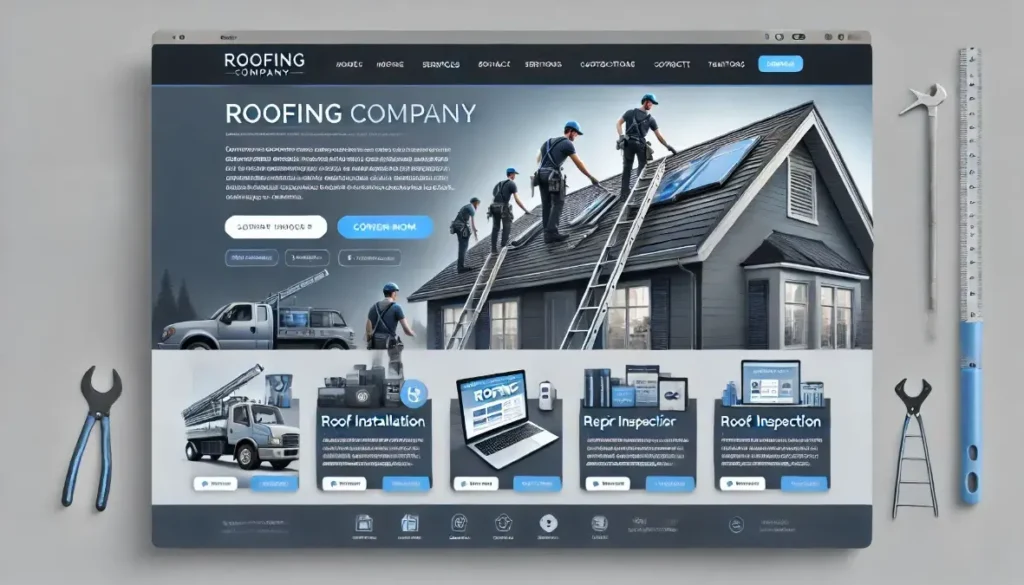
Introduction In the competitive roofing industry, a strong online presence is essential for success. Most homeowners and businesses search online when looking for roofing services. If your website is outdated, difficult to navigate, or unprofessional, potential customers may choose your competitors instead. Investing in Professional web design ensures that your roofing company stands out, attracts leads, and converts visitors into customers. This article explores the importance of Professional web design for roofing businesses, key elements of an effective website, and how to choose the best web design services for your company. Why Roofing Companies Need Professional Web Design A well-designed website is more than just a digital business card. It serves as a marketing tool, a lead generation platform, and a way to establish trust with potential clients. Here are some key reasons why Professional web design is crucial for roofing businesses: 1. First Impressions Matter Your website is often the first interaction potential clients have with your business. A clean, modern, and easy-to-navigate website creates a positive first impression and increases trust. 2. Builds Credibility and Trust A professionally designed website with customer testimonials, project galleries, and clear contact information reassures visitors that your business is legitimate and reliable. 3. Improves Search Engine Rankings SEO-friendly web design ensures that your roofing company ranks higher on Google. Optimized site structure, fast loading speeds, and mobile responsiveness all contribute to better visibility. 4. Increases Lead Generation and Conversions A well-structured roofing website with clear calls-to-action (CTAs), online quote request forms, and contact options helps convert visitors into paying customers. 5. Enhances Mobile Experience More than 60% of web traffic comes from mobile devices. A mobile-friendly design ensures that potential clients can easily access your services on any device. Key Elements of a Professional Roofing Website To get the most out of Professional web design, your website must include the following essential elements: 1. Clear Branding and Business Identity Your website should clearly reflect your roofing company’s branding, including your logo, color scheme, and messaging. Consistent branding builds recognition and trust. 2. Easy Navigation and User-Friendly Design A roofing website should have a simple, intuitive layout with a clear menu structure. Users should be able to find services, contact details, and project galleries with ease. 3. Engaging Homepage with Strong CTAs The homepage should capture visitors’ attention immediately with high-quality images, compelling headlines, and strong CTAs like “Get a Free Estimate” or “Call Us Today.” 4. Service Pages with Detailed Information Each roofing service you offer (e.g., roof repairs, replacements, installations) should have a dedicated page with detailed descriptions, benefits, and images of past projects. 5. Testimonials and Reviews Displaying customer reviews and testimonials builds credibility and showcases the quality of your work. Video testimonials are especially powerful. 6. Project Portfolio and Gallery A before-and-after gallery of roofing projects allows potential clients to see the quality of your workmanship, reinforcing trust and expertise. 7. Contact Page with Multiple Communication Options A strong contact page should include: A contact form Phone number and email Google Maps integration for location Business hours 8. Fast Loading Speed A slow website can drive visitors away. Optimizing images, compressing files, and using a reliable hosting provider ensures fast loading times. 9. SEO Optimization To appear in local search results, your roofing website must be optimized for SEO. This includes using the right keywords, creating location-based landing pages, and optimizing meta descriptions. 10. Mobile-Friendly and Responsive Design Your website must function flawlessly on all screen sizes, ensuring that users can navigate and interact with your site on smartphones and tablets. How to Choose the Best Professional Web Design Service When selecting a web design company for your roofing business, consider the following factors: 1. Experience in Roofing Industry Choose a web design agency with experience in creating websites for roofing companies. Industry-specific knowledge ensures that your site meets customer expectations. 2. Portfolio and Past Work Review the agency’s previous projects to ensure their design style aligns with your brand vision. A strong portfolio indicates quality and expertise. 3. SEO and Digital Marketing Capabilities Beyond design, a good agency should offer SEO and marketing strategies to improve your search rankings and attract organic traffic. 4. Customization and Flexibility Avoid cookie-cutter templates. Your website should be tailored to your roofing business’s unique needs, branding, and goals. 5. Ongoing Support and Maintenance A good web design agency provides ongoing support, including security updates, bug fixes, and content updates. Regular maintenance keeps your site running smoothly. Common Mistakes to Avoid in Roofing Web Design Even the best roofing businesses can lose potential clients due to poor web design. Here are some common mistakes to avoid: 1. Cluttered and Overloaded Pages Too much text, images, and animations can overwhelm visitors. A clean, minimalist design enhances user experience. 2. Lack of Clear Call-to-Action Your website should guide visitors toward taking action, whether it’s calling for a quote or filling out a contact form. 3. Ignoring Mobile Users A non-responsive website can deter mobile users. Always prioritize mobile-friendly design. 4. Slow Loading Speed Optimize images, use caching, and choose a reliable hosting provider to improve loading times. 5. No Local SEO Strategy Roofing companies rely on local customers. Failing to optimize your website for local searches (Google My Business, location pages) limits your reach. The Future of Web Design for Roofing Companies As technology advances, roofing businesses must stay updated with the latest web design trends to remain competitive. Some emerging trends include: 1. AI Chatbots for Customer Support AI-powered chatbots provide instant answers to common questions, improving customer engagement. 2. Video Backgrounds and Virtual Tours Showcasing roofing projects through videos and virtual home tours adds an interactive element to your website. 3. Voice Search Optimization With the rise of voice assistants like Siri and Alexa, optimizing your website for voice searches improves accessibility. 4. Interactive Cost Calculators Roofing cost calculators help potential customers estimate their expenses before requesting a quote. Conclusion Investing in Professional web design is essential for Residential roofing businesses looking
Web Design Bathroom Renovation: Transform Your Space Digitally
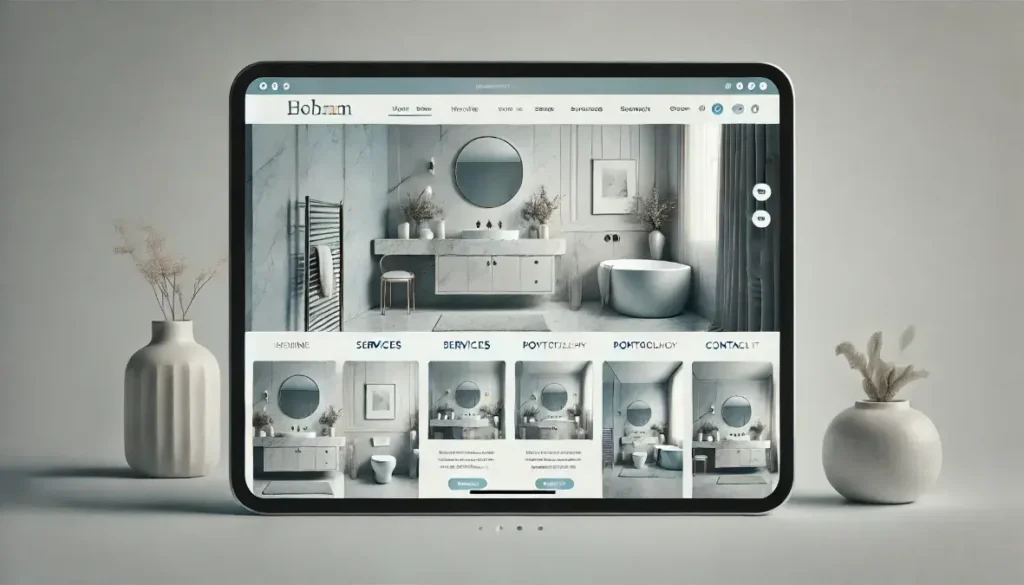
When it comes to creating a modern, stylish, and functional bathroom, many homeowners and renovation professionals focus on physical improvements. But have you considered the importance of web design bathroom renovation? In today’s digital age, a well-designed website tailored to bathroom renovations can help contractors, designers, and homeowners bring their visions to life. Whether you’re a bathroom renovation specialist looking to showcase your work or a homeowner seeking inspiration, this guide will walk you through the essentials of combining web design and bathroom renovations for stunning results. The Importance of Web Design in Bathroom Renovation A thoughtfully crafted website acts as a bridge between your services and your audience. For businesses, a professional website can: Attract New Clients Potential clients often search online for bathroom renovation services. With a sleek, user-friendly website, you can capture their attention and showcase your expertise. Showcase Previous Projects High-quality photos of past bathroom renovation projects can highlight your skills and inspire visitors. Provide Essential Information Your website can serve as a hub for information, including pricing, timelines, and services offered. Enhance Credibility A polished web presence reflects professionalism and builds trust with potential clients. For homeowners, websites specializing in bathroom renovations can offer invaluable inspiration, tips, and tools to plan their dream space. Key Features of a Successful Web Design Bathroom Renovation Website Creating an effective website requires thoughtful planning and execution. Here are the must-have features: 1. Clean and Modern Design Just as a clean bathroom exudes elegance, a website with a clutter-free design ensures clarity and usability. Use minimalistic layouts, white space, and a consistent color palette to evoke professionalism. 2. High-Quality Visuals Imagery is critical. Include high-resolution before-and-after photos, 3D renderings, and videos of bathroom transformations to captivate your audience. 3. Responsive Design Ensure your website looks great and functions well on all devices, including desktops, tablets, and smartphones. 4. Easy Navigation A user-friendly menu system allows visitors to find what they’re looking for quickly. Categories like “Our Services,” “Portfolio,” and “Contact Us” make navigation seamless. 5. Clear Calls-to-Action (CTAs) Encourage visitors to take action with compelling CTAs like: “Get a Free Estimate Today” “Schedule Your Consultation” Integrating SEO into Web Design for Bathroom Renovation A visually appealing website is only effective if people can find it. Here’s how to optimize your site for search engines: 1. Use Relevant Keywords Incorporate phrases like “bathroom remodeling,” “bathroom design,” and web design bathroom renovation naturally throughout your content. 2. Optimize Images Compress images for faster loading and include descriptive alt tags, such as “modern bathroom renovation with marble tiles.” 3. Create Valuable Content Offer blog posts, guides, and FAQs to position yourself as an authority in bathroom renovations. 4. Improve Page Speed A fast-loading website reduces bounce rates and improves user experience. Web Design Elements for Bathroom Renovation Professionals 1. Service Pages Highlight your specific offerings, such as: Custom bathroom designs Eco-friendly renovations Luxury bathroom makeovers 2. Portfolio Section A visually striking portfolio can demonstrate your skills. Use professional photography to capture your best projects. 3. Client Testimonials Positive reviews from past clients can build trust and credibility. Include testimonials on your homepage or a dedicated “Reviews” page. 4. Blog and Resources Provide valuable content, such as: “Top 10 Bathroom Trends of 2025” “How to Budget for Your Bathroom Renovation” 5. Contact Forms Make it easy for potential clients to reach you with simple and intuitive forms. Tips for Homeowners Using Web Design for Bathroom Renovation 1. Leverage Online Tools Interactive tools, like virtual bathroom planners, can help you visualize your ideas before committing to a design. 2. Browse Inspiration Galleries Websites featuring a variety of renovation styles can inspire your project. 3. Compare Service Providers A website that offers side-by-side comparisons of contractors ensures you make informed decisions. 4. Budgeting Resources Use online calculators to estimate the cost of materials, labor, and design changes. Benefits of a Dedicated Web Design Bathroom Renovation Website A specialized website tailored to bathroom renovations offers numerous advantages: Increased Visibility: With proper SEO, your site can rank higher in search engine results. Better Customer Engagement: Interactive elements, like quizzes or live chat, can engage visitors. Streamlined Communication: Provide all necessary information upfront, reducing back-and-forth inquiries. Enhanced User Experience: A fast, responsive site encourages visitors to stay longer. Steps to Create Your Web Design Bathroom Renovation Website Define Your Goals Determine whether your website aims to attract clients, showcase work, or provide inspiration. Choose the Right Platform Platforms like WordPress, Wix, or Squarespace offer customizable templates for service-based websites. Design with Users in Mind Prioritize functionality and aesthetics. Consider hiring a professional web designer if needed. Focus on SEO Use keyword research to guide your content strategy, ensuring phrases like web design bathroom renovation appear naturally. Launch and Promote Share your website on social media, email newsletters, and online directories to drive traffic. Challenges in Web Design Bathroom Renovation 1. Balancing Aesthetics and Functionality A website that looks great but loads slowly or is hard to navigate can frustrate users. 2. Staying Current with Trends The digital landscape changes rapidly, requiring constant updates to stay competitive. 3. Competing for Attention With so many bathroom renovation websites, standing out requires exceptional design and content. Future Trends in Web Design Bathroom Renovation Looking ahead, expect to see: AI Integration: Tools that recommend design ideas based on your preferences. Augmented Reality (AR): Apps that let users visualize bathroom designs in their own space. Eco-Friendly Focus: Showcasing sustainable renovation options prominently. Conclusion The intersection of web design and bathroom renovation offers exciting opportunities for professionals and homeowners alike. Whether you’re a contractor looking to expand your business or a homeowner dreaming of your ideal bathroom, a well-crafted website can make all the difference. By embracing the principles of web design bathroom renovation, you can create a space that reflects your vision, both online and offline. Start your journey today and unlock the full potential of digital design in transforming bathrooms!
Web Design in Architecture: The Ultimate Guide to Elevating Your Online Presence

In today’s digital-first world, a strong online presence is vital for every business, including architectural firms. Web design in architecture has evolved from being a mere aesthetic choice to a strategic tool that can help firms showcase their portfolio, attract clients, and establish credibility in the competitive market. This guide delves into why web design is crucial for architecture, the key elements of an effective website, and how firms can stay ahead in the digital game. 1. The Role of Web Design in Modern Architecture Firms A professional and functional website can transform the way architectural firms interact with clients. Here’s why it matters: First Impressions Matter: Your website is often the first interaction a potential client has with your firm. Showcasing Creativity: A well-designed website serves as a digital portfolio, highlighting your unique architectural designs. Expanding Reach: It allows firms to reach a global audience, breaking geographical barriers. 2. Key Features of Effective Web Design in Architecture Architectural websites must combine functionality with aesthetics. Essential elements include: a. Stunning Visuals High-resolution images and videos of projects. 3D renderings and virtual walkthroughs to engage visitors. b. User-Friendly Navigation Intuitive menu structure. Fast-loading pages for a seamless experience. c. Responsive Design Websites should adapt flawlessly to various devices, including smartphones and tablets. d. Integration of Architectural Themes Use of design elements like grids, geometrical patterns, and white spaces to mirror architectural principles. 3. Benefits of Investing in Web Design in Architecture a. Boosting Brand Image A modern website reflects professionalism and builds trust with clients. b. Attracting High-Value Clients A polished digital presence positions the firm as a leader in its niche. c. Enhancing Client Interaction Interactive tools like project planners, client portals, and chat features improve communication. 4. The Intersection of Web Design and Architectural Trends a. Sustainability Architectural firms focused on eco-friendly designs should highlight this in their website through green color schemes and dedicated sections. b. Smart Technology Websites can incorporate smart tools like AI-powered chatbots and dynamic rendering to reflect the use of advanced technology in the firm’s work. 5. SEO Strategies for Architectural Websites Optimizing for search engines is essential for visibility. Key strategies include: Using relevant keywords like web design in architecture in content, headings, and meta tags. Incorporating alt text for images and optimizing site speed. Publishing informative blogs about architectural trends, processes, and materials. 6. Common Mistakes to Avoid in Architectural Web Design Overloading the Site with Visuals: While images are vital, excessive visuals can slow down the website. Ignoring Mobile Optimization: A significant portion of users access websites via mobile devices. Neglecting Call-to-Action Buttons: Clear CTAs like “Request a Consultation” or “View Portfolio” guide users to take action. 7. Case Studies: Exemplary Web Design in Architecture Case Study 1: Modernist Studio This firm leverages its website to showcase minimalist design with sleek visuals, a blog section, and client testimonials. Case Study 2: Eco-Architecture Hub Using green themes and interactive energy calculators, this site reflects the firm’s dedication to sustainable practices. 8. Tools and Platforms for Building Architectural Websites a. Content Management Systems (CMS) WordPress: Flexible and widely used. Squarespace: Ideal for visually rich portfolios. b. Visualization Tools Software like SketchUp and AutoCAD for creating project visuals integrated into the site. c. Analytics Tools Tools like Google Analytics to track user behavior and improve website performance. 9. The Future of Web Design in Architecture a. Virtual Reality (VR) Integration Allowing clients to experience designs in an immersive environment. b. Artificial Intelligence (AI) AI-driven design suggestions and client interaction tools to personalize the user experience. 10. Frequently Asked Questions About Web Design in Architecture Q1. Why is web design important for architecture firms? It helps firms showcase their portfolio, attract clients, and establish a professional brand image online. Q2. What should an architectural website include? High-quality visuals, user-friendly navigation, responsive design, and SEO optimization are key elements. Q3. How can I optimize my architectural website for SEO? Focus on relevant keywords like web design in architecture, fast loading speeds, and mobile-friendly designs. Q4. How much does it cost to design a website for an architecture firm? The cost varies depending on the complexity and features, ranging from $2,000 to $10,000 or more. Q5. What are the latest trends in web design for architecture? Trends include VR integration, sustainability-focused designs, and AI-powered tools. Q6. Can I use my website to attract international clients? Yes, a well-optimized website can help your firm reach a global audience. Conclusion Investing in web design in architecture is no longer optional but a necessity for firms looking to stay competitive. A thoughtfully crafted website not only showcases a firm’s portfolio but also reflects its values, creativity, and professionalism. By leveraging modern web design techniques and tools, architectural firms can create a compelling digital presence that attracts clients and sets them apart from the competition.